Just How Is Urinary System Incontinence Linked To Menopause?
Are Menopause And Urinary Incontinence Connected?: Rafael J Perez, Md, Facog: Urogynecologist
While you may see the very first symptoms during perimenopause, postmenopause is the moment when incontinence frequently becomes more visible, much more persistent, and more probable to call for active management. Obviously, as you age, other things can trigger urinary system incontinence. Let's discuss what else could be happening and afterwards discover some reliable methods to manage it. The bladder is a balloon like muscle mass that broadens as it loaded with pee. With time, the bladder loses tone and it ends up being more difficult to empty the bladder completely.Modifications in hormonal agent degrees can make your bladder much more sensitive and prone to inflammation, resulting in signs like necessity and frequent urination. Menopause normally takes place in ladies in between the ages of 45 and 55, with the average age around 51. It's defined as the all-natural cessation of menstruation because of a decline in the manufacturing of hormonal agents like estrogen and progesterone by the ovaries. An exhaustive search of 911 academic magazines yielded 469 replicate documents, which were consequently excluded.
Bladder Control Products
Surgical treatment to repair and raise your bladder into a better position is commonly the last hope for UI therapy. It's taken into consideration Lifestyle modification for people that can not be helped by other kinds of treatment. Infections of your urinary system system or bladder may create Dysfunctional voiding short-lived UI. When the infection is removed, your UI will likely resolve or boost. One of the most useful methods to alleviate bladder problems in perimenopause is with healthy bathroom practices.
Urinary Incontinence
- According to the North American Menopause Culture, the most usual kinds of bladder issues throughout menopause are anxiety urinary incontinence and prompt incontinence.
- Among one of the most valuable ways to reduce bladder issues in perimenopause is with healthy and balanced shower room routines.
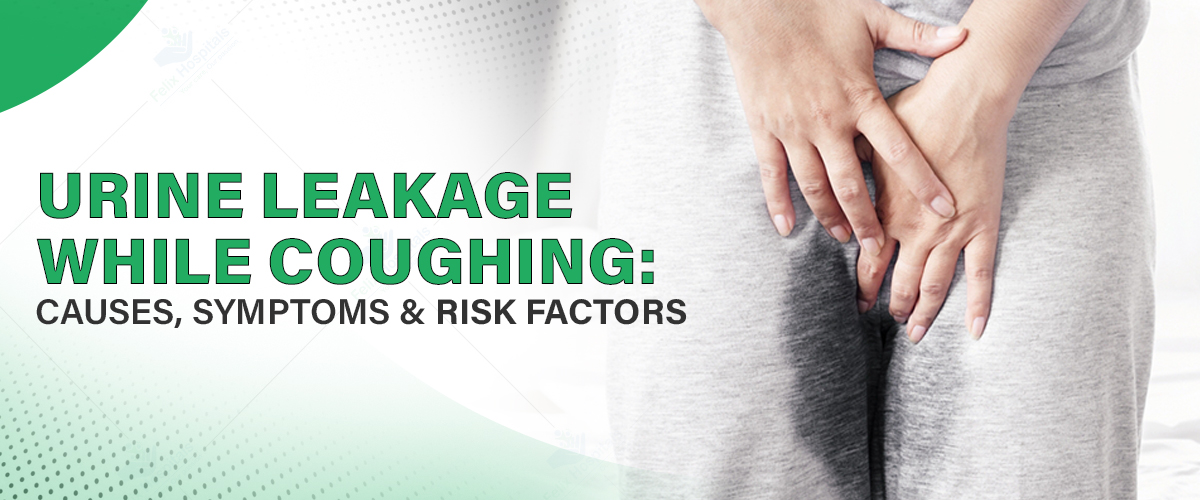
- When pelvic floor muscles are damaged, it can become hard for your urinary sphincter and urethra to keep in urine, causing unintentional leakage.
- Luckily, numerous monitoring methods and treatments are available for UI, and ladies experiencing this problem ought to not wait to seek aid.
- The research study develops consisted of 5 cross-sectional evaluations [11,15-17,19], four retrospective associate researches [10,13,18,20], one quasi-experimental examination [12], and one possible associate research study [14]
Keeping your pelvic floor and core in great shape can assist to avoid and alleviate bladder issues and enhance your pelvic flooring muscles during perimenopause. Lifestyle adjustments can play a major duty in handling hormone-related urological issues. Consuming sufficient water maintains the urinary system tract healthy and balanced, yet preventing high levels of caffeine and alcohol can reduce bladder inflammation. Recognizing how hormonal agents control these systems assists describe common symptoms that emerge with age, pregnancy, or menopause.
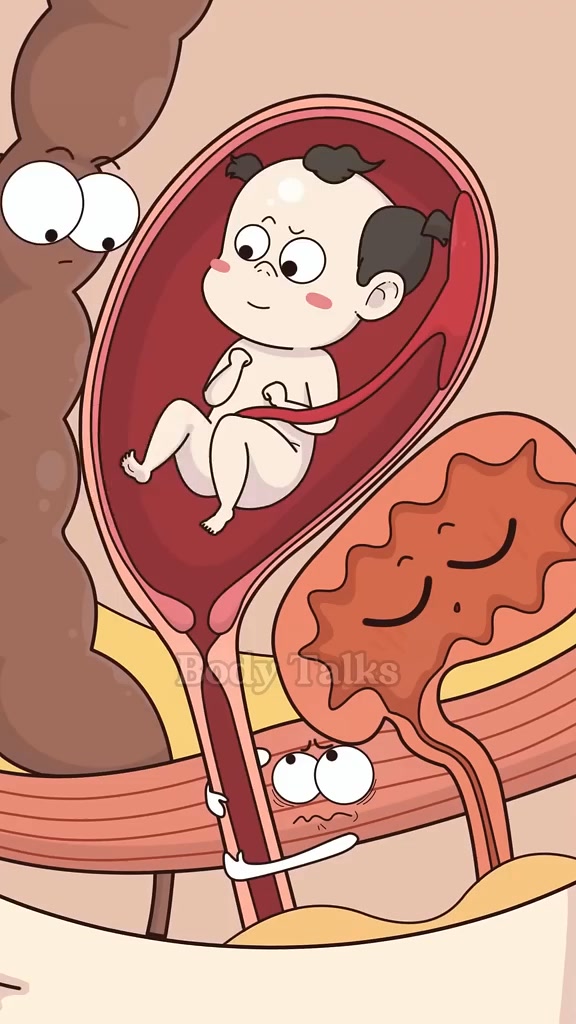
A lady's urological wellness is deeply connected to her hormone cycles, particularly during pregnancy, perimenopause, and menopause. While pregnant, rising progesterone levels trigger the pelvic ligaments and muscle mass to unwind. When you incorporate this relaxed pelvic floor with a growing infant resting on the urinary tract, this mix of shifting hormonal agents and bladder stress considerably boosts the regularity of leaks and prompts.
It appears you are utilizing an internet browser that is no longer sustained or receiving updates. Please upgrade or mount a more certified web browser like Chrome, Firefox, Safari, etc for the best watching experience. Your therapist may additionally direct you through rectocele prolapse exercises or uterine prolapse workouts based on your specific demands. If your signs and symptoms suggest a nerve component or pelvic pain, consider an evaluation at Back Diagnostics. Your body's style is regular, yet the signals and control aren't functioning the way they should. Urinary leak that occurs as a result of an abrupt, strong urge to pass pee that you can't control. It normally occurs due to modifications in nerve signals, causing bladder muscle mass to involuntarily get at the incorrect time. There have been lots of advancements in the therapy choices for urinary incontinence, and you're bound to discover something that works for you.